


Everything You Need to Know About Hair Transplants: A Step-by-Step Guide
- Dec 18, 2024
- 11 min read
Updated: Dec 25, 2024
Understanding Hair Transplants: Everything You Need to Know
Hair loss can affect self-confidence and quality of life, but modern hair transplant techniques offer an effective, permanent solution. This guide provides comprehensive insights into hair transplantation, covering everything from the basics to recovery, costs, and potential risks.

The study says that men with greater hair loss reported being more bothered by their appearance, concerned about looking older, and less satisfied with their hair. The effects were consistent across countries, though less pronounced in the UK. The degree to which men believed others noticed their hair loss played a key role in these negative perceptions. Overall, the study says hair loss has substantial psychological effects, particularly among men who are more self-conscious about it.
On this page:
What Is a Hair Transplant?
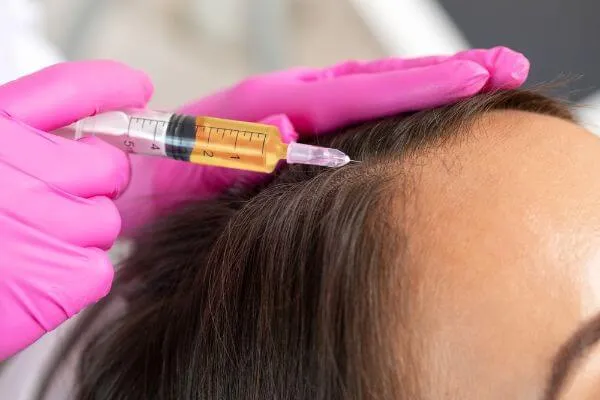
A hair transplant is a surgical procedure where hair follicles are moved from a dense area of the scalp (donor area) to areas with thinning or no hair (recipient area). It is primarily used to address hereditary hair loss but can also restore hair lost due to injuries, medical conditions, or scarring. Modern techniques ensure natural-looking results and minimal downtime.
Hair transplants are not limited to the scalp. They can also restore hair to other areas, such as eyebrows, beard, or even eyelashes, offering versatility for individuals with specific hair restoration needs.
Types of Hair Transplant Surgeries
Hair transplantation techniques have evolved significantly, offering various options tailored to different patient needs. Below are the main and most popular methods used today, though there are also emerging techniques worth considering:
FUE is a minimally invasive procedure where individual hair follicles are harvested directly from the donor area using tiny micro-punch tools. These follicles are then implanted into the recipient area.
Advantages: No linear scarring, shorter recovery time, and highly natural results.
Disadvantages: The procedure can be time-intensive, especially for extensive coverage, and may require multiple sessions.

DHI is a refined version of FUE where hair follicles are extracted and implanted in one step using a specialized pen-like tool (Choi Implanter Pen). This method is considered more precise and efficient.
Advantages:
Minimal scarring, high precision, and natural-looking results.
Faster recovery time compared to FUT.
Disadvantages:
Can be more costly than FUE.
Requires highly skilled surgeons to achieve the best result.
Also known as strip harvesting, FUT involves removing a strip of skin from the donor area. Hair follicles are then carefully extracted from this strip and transplanted into the recipient area.
Advantages: Allows for a large number of grafts in one session, making it ideal for extensive hair loss.
Disadvantages: Leaves a linear scar, which may be visible with shorter hairstyles.

Each of these methods offers distinct benefits depending on the patient’s needs, hair loss condition, and desired outcome. While traditional methods like FUT and FUE or DHI remain popular, innovations such as ARTAS and stem cell hair therapy are providing new options for more personalized and effective treatments.
How Does a Hair Transplant Work?
The process of hair transplantation typically involves the following steps:
Consultation: A specialist assesses your hair loss patterns, scalp health, and donor hair availability to develop a personalized treatment plan.
Preparation: The scalp is cleaned, and local anesthesia is administered to ensure a painless experience.
Extraction: Depending on the chosen method (FUT or FUE), hair follicles are harvested from the donor area.
Graft Preparation: Extracted hair follicles are sorted, trimmed, and prepared for implantation.
Implantation: Tiny incisions are made in the recipient area, and the prepared grafts are meticulously placed to match the natural direction and density of your hair.
Aftercare: Post-surgery instructions include proper scalp care, medication to prevent infections, and guidance on avoiding strenuous activities.
Hair Transplant Surgery Process with DocTrip Packages
Who Can Get Hair Transplantation?
Hair transplants are a viable solution for:
Men with Male Pattern Baldness: Addressing receding hairlines, thinning crowns, and other signs of androgenetic alopecia.
Women with Thinning Hair: Restoring volume and density, particularly for diffuse hair loss.
Individuals with Hair Loss Due to Scarring: Beneficial for hair loss resulting from injuries, burns, or surgeries.
Candidates should have sufficient healthy hair in the donor area. Factors such as overall health, expectations, and scalp condition will be evaluated during a consultation with a specialist to determine suitability. The donor areas for hair transplantation include the occipital region (back of the scalp), temporal region (sides of the scalp), parietal region (upper sides of the scalp), crown region, neck area (nape), chest (body hair transplantation), facial hair (beard or mustache), back and abdomen (body hair transplantation), and legs and arms (rarely used).
What is a Hair Graft and How to Determine the Number of Grafts You Need
A hair graft is a small group of hair follicles, typically taken from the donor area at the back or sides of the scalp. These follicles are then transplanted to balding or thinning areas. Each graft typically contains 1 to 4 hair follicles, depending on the density and quality of the donor hair. The goal is to restore a natural hairline and fuller look by redistributing healthy hair follicles to areas with thinning or no hair.
Factors That Determine the Number of Hair Grafts Needed
Extent of Hair Loss The more significant the hair loss, the greater the number of grafts required. A basic estimate based on the severity of hair loss:
Desired Density The density you wish to achieve can affect the number of grafts required. For a natural, full look, more grafts are needed to cover larger or thinning areas of the scalp.
Donor Area Quality The amount of healthy, dense hair available in your donor area plays a key role in how many grafts can be harvested. The better the quality and density of your donor hair, the more grafts you may be able to transplant.
How to Determine the Exact Number of Grafts
The most accurate way to determine how many grafts you’ll need is through a consultation with a hair transplant specialist. They will evaluate your hair loss pattern, the quality of your donor hair, and your aesthetic goals to give you a precise estimate.
At DocTrip, we connect you with experienced clinics and trusted specialists who can offer personalized advice and recommend the best solution for your needs. A personalized consultation ensures you understand how many grafts are necessary to achieve the desired results and a fuller, more natural look.
Hair Transplant Cost
The cost of a hair transplant varies widely based on several factors, including:
Procedure Type: FUE generally costs more than FUT due to its precision and time requirements.
Number of Grafts: The extent of hair loss and the number of grafts required directly impact the price.
Clinic Location: Costs can vary significantly between countries and regions.
Expectations and Hair Transplantation Recovery
Recovering from a hair transplant is a gradual process. Here’s what to expect:
Immediate Recovery: Swelling, redness, or mild discomfort may occur but typically subsides within a few days. Most patients can return to non-strenuous activities shortly after the procedure.
Shedding Phase: Transplanted hair often falls out within the first few weeks. This is a normal part of the process, as the follicles transition to the growth phase.
Regrowth: New hair begins to grow within 3 to 4 months, with noticeable improvements by 6 months and full results visible after 9 to 12 months.
Proper aftercare, including prescribed medications and avoiding harsh styling, ensures optimal healing and results.
Potential Side Effects of Hair Transplant Surgery
Hair transplant surgery can be a highly effective solution for restoring hair and boosting self-confidence. However, as with any surgical procedure, there are potential side effects that patients should be aware of during recovery.
1. BleedingMinor bleeding is common after the procedure and typically resolves on its own. If bleeding persists beyond a few hours, it is important to follow the surgeon’s aftercare instructions to manage the situation properly.
2. SwellingSwelling around the forehead and eyes may occur within the first few days following the surgery. This is generally temporary and will subside naturally as the body heals.
3. NumbnessSome patients experience numbness or tingling sensations in both the donor and recipient areas. This is usually a temporary side effect that fades over time, but in some cases, it may last for several weeks.
4. Shock LossIt is normal to experience temporary hair shedding in the weeks following the surgery, known as "shock loss." The transplanted hair will begin to regrow after a few months, as the hair follicles settle in their new locations.
5. Unnatural Hair GrowthIn some cases, transplanted hair may grow at an unusual angle or with irregular density, potentially affecting the overall appearance. This risk is minimized with the help of an experienced surgeon who can ensure the most natural results.
6. ScarringWhile advanced techniques like Follicular Unit Extraction (FUE) are designed to minimize scarring, small scars may still be present, especially with Follicular Unit Transplantation (FUT) procedures. Discussing the best approach with your surgeon can help reduce scarring and improve cosmetic outcomes.
Hair Implantation: Results and What to Expect
Hair implantation provides permanent results, with transplanted hair growing naturally for life. It can be treated like natural hair—washed, cut, and dyed as desired.
RecoveryMost patients can resume light physical activities within 5-7 days. Avoid intense exercise for 10-14 days to promote healing.
Results TimelineThe hair may shed in the first few weeks, but new growth begins in 3-4 months, with full results visible in 6-12 months.
Key Factors
Extent of Hair Loss: More extensive loss requires more grafts and may need multiple sessions.
Donor Hair Density: Healthier, denser hair gives better results.
Number of Procedures: Some may need multiple sessions for optimal coverage.
Hair implantation offers a long-term solution for hair restoration with a natural look.




Your Hair Transplant Journey with DocTrip
At DocTrip, we specialize in providing a seamless, stress-free experience for clients seeking hair transplants. Our all-inclusive packages cover every aspect of your journey, from connecting you with top-tier clinics to handling travel, accommodation, and aftercare arrangements.
Our partnered clinics feature highly skilled surgeons who use advanced techniques to deliver exceptional, natural results. Whether you’re looking for cost-effective options or state-of-the-art treatments, we are here to guide you every step of the way.
Take the first step toward restoring your confidence. Contact DocTrip today for a free consultation and personalized quote!
Frequently Asked Questions (FAQ) About Hair Transplant
How long do hair transplants last?
A hair transplant is designed to provide permanent results. The transplanted hair follicles are resistant to the hormone responsible for balding, which means they continue to grow in the transplanted areas for life. However, while most of the transplanted hair will last a lifetime, a small percentage may fall out over time, particularly if the surrounding hair continues to thin or fall out due to ongoing hair loss.
How painful is a hair transplant?
Hair transplants are typically performed under local anesthesia, so the procedure itself is not painful. Patients may experience slight discomfort during the injection of anesthesia or the recovery phase. After the procedure, mild soreness, swelling, or itching in the transplanted area may occur, but this generally subsides within a few days. Pain relief medications are prescribed to help manage any discomfort during recovery.
Can women get hair transplants?
Yes, women can absolutely benefit from hair transplant procedures. While male pattern baldness is more common, women experiencing thinning hair or bald spots due to conditions like female pattern hair loss, hormonal changes, or scarring can also be excellent candidates for hair transplantation. The procedure can help restore fuller hair and improve the overall appearance of thinning areas.
How soon can I return to work after a hair transplant?
Most patients are able to return to non-strenuous work within a few days following their hair transplant. However, activities that involve heavy lifting or intense physical exertion should be avoided for at least two weeks to allow for optimal healing. The transplanted hair follicles need time to establish themselves in their new location before undergoing any physical stress.
Can hair transplants fail?
While hair transplants have a high success rate, there are instances where the procedure can fail. This is typically due to factors such as improper aftercare, infections, or complications arising from surgeon inexperience. Ensuring that you follow the aftercare instructions provided by your surgeon, avoiding infection risks, and choosing an experienced and skilled specialist greatly reduce the chances of failure.
How to ensure the best results after a hair transplant?
To achieve the best results, it’s essential to follow your surgeon’s post-operative care instructions carefully. These may include taking prescribed medications to prevent further hair loss, using specialized shampoos, and avoiding sun exposure to the scalp. It’s also important to avoid smoking and drinking alcohol, as these can hinder the healing process. Patience is key, as the full results may take several months to appear as the transplanted hair follicles begin to grow and mature.
What is the success rate of hair transplants in the U.S.?
Hair transplant success rates can vary depending on several factors, including the skill of the surgeon, the technique used, and the individual’s hair loss condition. While specific data on U.S. success rates is limited, a global survey of hair transplant surgeons in 2022 revealed that 68% of them reported needing only one procedure to achieve successful outcomes. However, some patients may require multiple procedures to achieve the desired density or look, especially if they have advanced hair loss.
Are there different types of hair transplant techniques?
Are there different types of hair transplant techniques?
Yes, there are two main techniques used for hair transplants: Follicular Unit Transplantation (FUT) and Follicular Unit Extraction (FUE).
FUE involves extracting individual follicular units directly from the scalp using a small punch device, leaving minimal scarring.
FUT involves removing a strip of skin from the donor area, which is then dissected into individual follicular units and transplanted into the thinning areas.
While both methods are effective, we highly recommend FUE as the preferred technique due to its minimally invasive nature and quicker recovery time. Additionally, we suggest the DHI (Direct Hair Implantation) method as an upgraded version of FUE, where hair follicles are implanted directly into the scalp using a specialized pen. DHI offers even more precise placement and faster healing, making it an excellent choice for those seeking the best possible outcome.
Can I undergo a hair transplant if I have existing hair loss?
Yes, a hair transplant can be done on individuals with existing hair loss. The key is to ensure that there is still enough healthy donor hair to transplant. It is important to have realistic expectations and understand that additional procedures may be needed as hair loss progresses.
What is the cost of a hair transplant?
The cost of a hair transplant varies widely depending on factors such as the clinic’s location, the expertise of the surgeon, and the number of grafts required. On average, hair transplants can range from $2,000 to $15,000 or more. While it may seem expensive, many consider it a long-term investment in their appearance and confidence, as the results are permanent.
Are hair transplants safe?
Hair transplants are considered safe when performed by a qualified and experienced surgeon. The procedures are minimally invasive, and serious complications are rare. However, like any surgery, there are risks, including infection, scarring, or uneven hair growth. Discussing these risks with your surgeon and following post-operative instructions closely can help minimize potential complications.
How long does it take to see results from a hair transplant?
The full results of a hair transplant typically take between 6 months to a year to become visible, as the transplanted hair goes through a growth cycle. Initially, transplanted hairs may fall out, but new hair should begin to grow in its place within a few months. Patience is key during this process, as results can vary from person to person.
Are there any risks involved with hair transplants?
While hair transplants are generally safe, there are some risks involved, including infection, bleeding, scarring, or poor graft survival. In rare cases, patients may experience excessive swelling, numbness, or an unnatural hairline. However, choosing an experienced surgeon and adhering to aftercare instructions greatly reduces these risks.
What are the most visited countries for hair transplants?
Several countries are known for their popularity as medical tourism destinations for hair transplants:
Turkey: Known for its highly affordable prices and top-quality clinics, especially in Istanbul. It’s one of the leading destinations globally for hair transplants.
India: Offers a range of experienced surgeons and state-of-the-art technology at a lower cost, with major cities like Delhi and Mumbai being key destinations.
Thailand: Offers high-quality procedures and affordable pricing, making it a popular choice for medical tourists.
South Korea: Known for its advanced technology and skilled surgeons, particularly in cosmetic surgery, including hair transplants.
Mexico: Close to the U.S., Mexico provides affordable hair transplants with many reputable clinics in cities like Tijuana and Mexico City.
United Arab Emirates (UAE): Cities like Dubai and Abu Dhabi have high-quality clinics offering advanced hair transplant techniques.
Hungary: A popular European destination for hair transplants due to its quality treatments and lower costs than Western Europe.
Greece: Offers high-quality services at a more affordable price compared to other Western European countries.


Comments